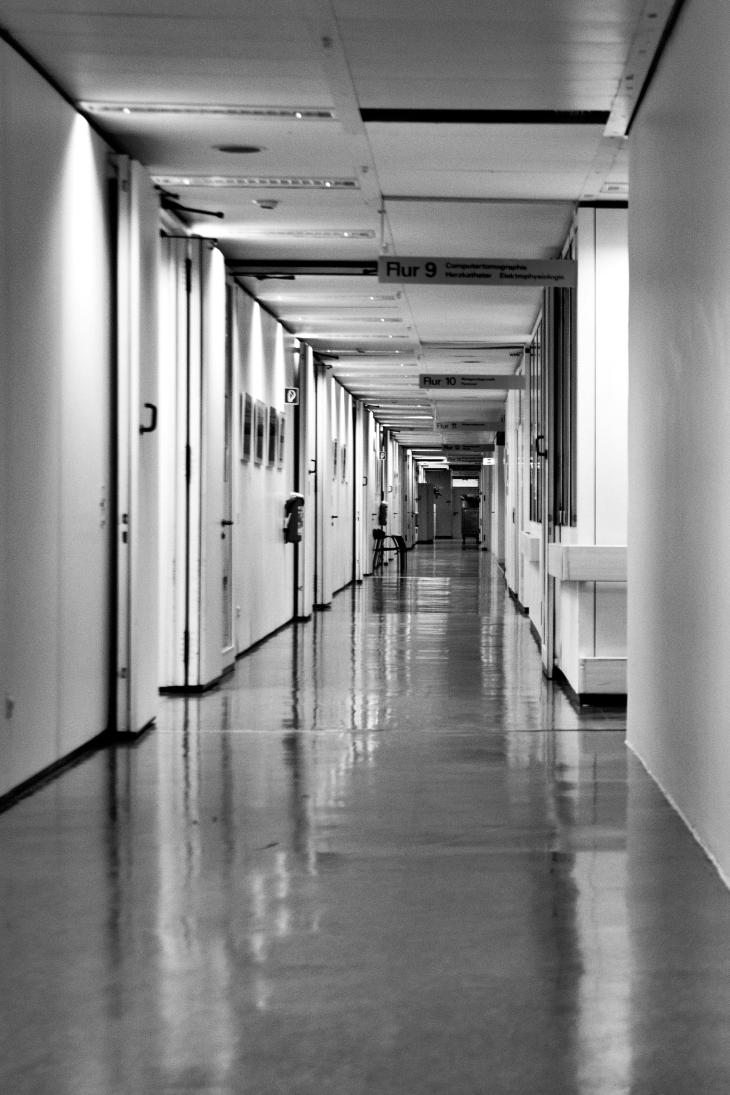
Recent news reports have confirmed further industrial action by resident doctors (formerly known as junior doctors) across England, as part of an ongoing dispute with the Government regarding pay, working conditions, and career progression.
Resident doctors play a critical role within the NHS, delivering a substantial proportion of frontline care across hospitals and community settings. Their decision to strike follows a prolonged period of dispute.
Negotiations between the British Medical Association (BMA) and the Government have repeatedly broken down, leading to multiple rounds of strike action since 2023. In May 2026, it was confirmed that further strikes are planned, including a four-day walkout in June, with the possibility of additional action later in the summer.
It is clear that many doctors feel undervalued and overworked, and their concerns about sustainability within the NHS workforce should not be dismissed. There is widespread recognition that a well-supported medical workforce is essential to the safe and effective delivery of healthcare.
Despite efforts to maintain core services during periods of industrial action, disruption is inevitable. Routine appointments, elective procedures, and outpatient services are often delayed or cancelled. Waiting times for treatment can increase, contributing to existing backlogs. Hospitals operate with reduced staffing levels which places additional pressure on the remaining staff.
Although emergency and life-saving care is prioritised and continues to operate, the wider impact on the healthcare system should not be underestimated. NHS leaders have acknowledged that even well-planned industrial action “comes at a cost to patients” and places a strain on resources needed to maintain safe care.
There have also been warnings that such disruption can lead to delays in diagnosis and treatment, which may have longer-term consequences for patient outcomes.
From a legal perspective, there is an increasing concern that ongoing disruption may give rise to a rise in clinical negligence claims. While strikes are organised with patient safety in mind, including the maintenance of emergency services, risks may still arise where:
- Treatment is delayed leading to deterioration in a patient’s condition;
- Appointments or investigations are postponed resulting in missed or late diagnoses;
- Continuity of care is disrupted, particularly for vulnerable or high risk patients;
- Overstretched remaining staff are placed under increased pressure which raises the potential for errors;
In some cases, these factors may meet the legal threshold for clinical negligence, particularly where a delay or omission results in avoidable harm.
It is essential to emphasise that responsibility for these issues does not fall solely on individual healthcare professionals. Doctors are entitled to advocate for fair pay and safe working conditions, and many feel that industrial action is their only remaining option after prolonged unsuccessful negotiations. However, there is an equally important duty to ensure that patient safety remains paramount at all times. The current situation highlights a difficult but necessary balance in supporting healthcare professionals in their legitimate concerns and ensuring that patients do not suffer avoidable harm as a result of systemic disruption.
At Garratts we recognise and empathise with the position many doctors find themselves in. The pressures within the NHS are well documented and a sustainable resolution to workforce concerns is clearly needed. However, it is vital that patients do not become unintended victims of these disputes. Where substandard care or avoidable delays lead to injury, individuals are entitled to seek legal advice and, where appropriate, pursue a clinical negligence claim.
If you or a loved one have been affected by delayed or substandard care during this period, it may be appropriate to seek legal advice to understand your position.